
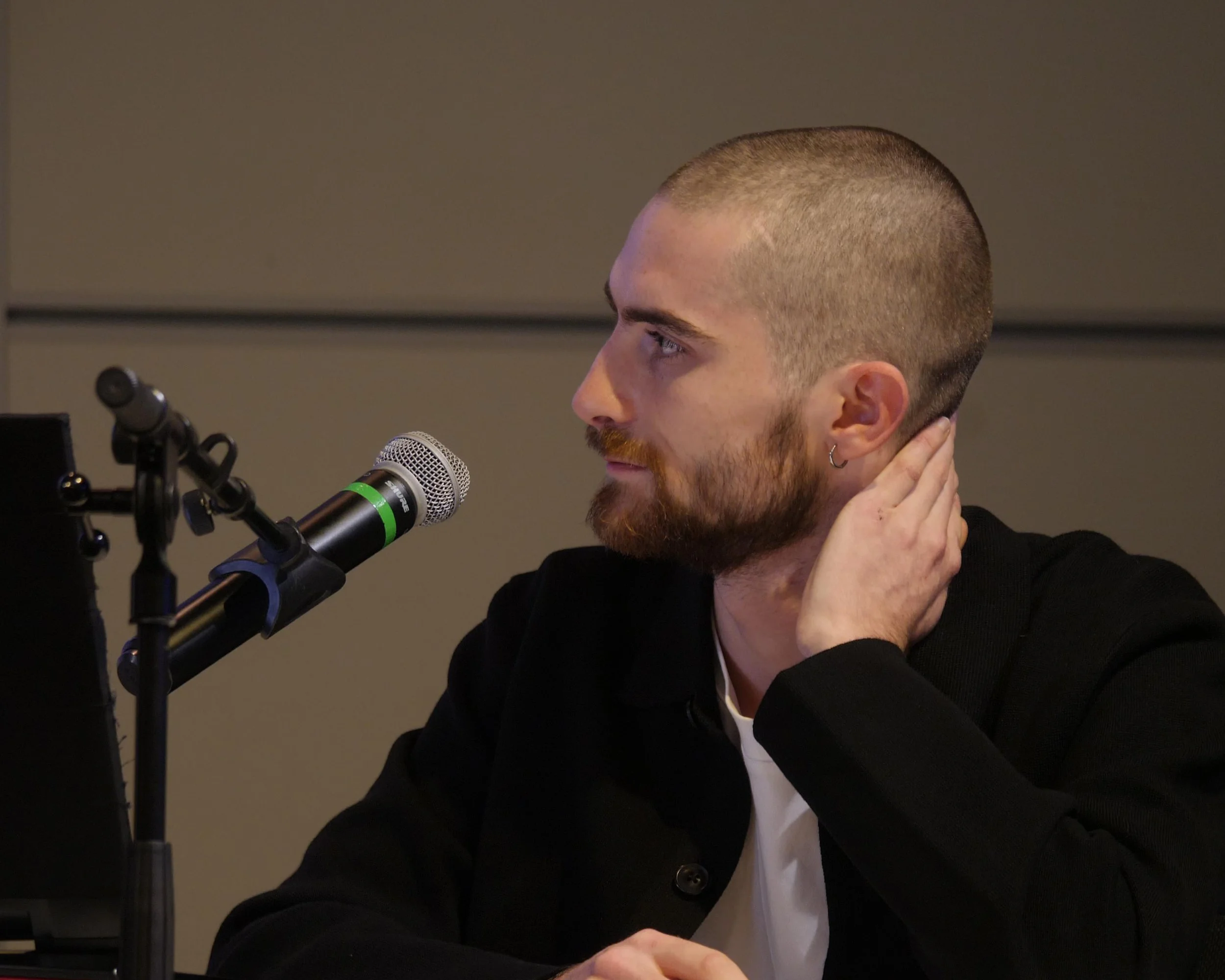
Photo : Victor Gorini
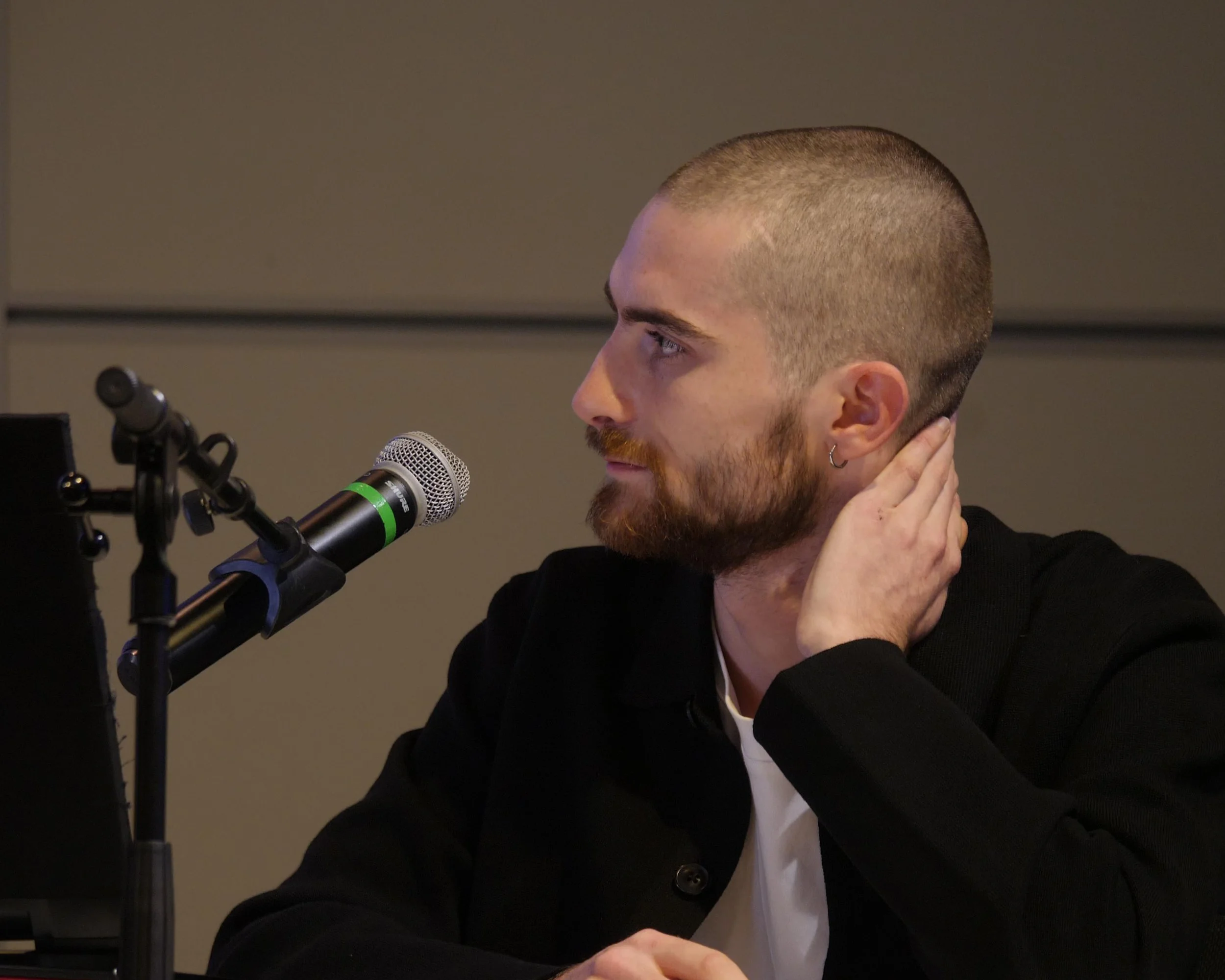
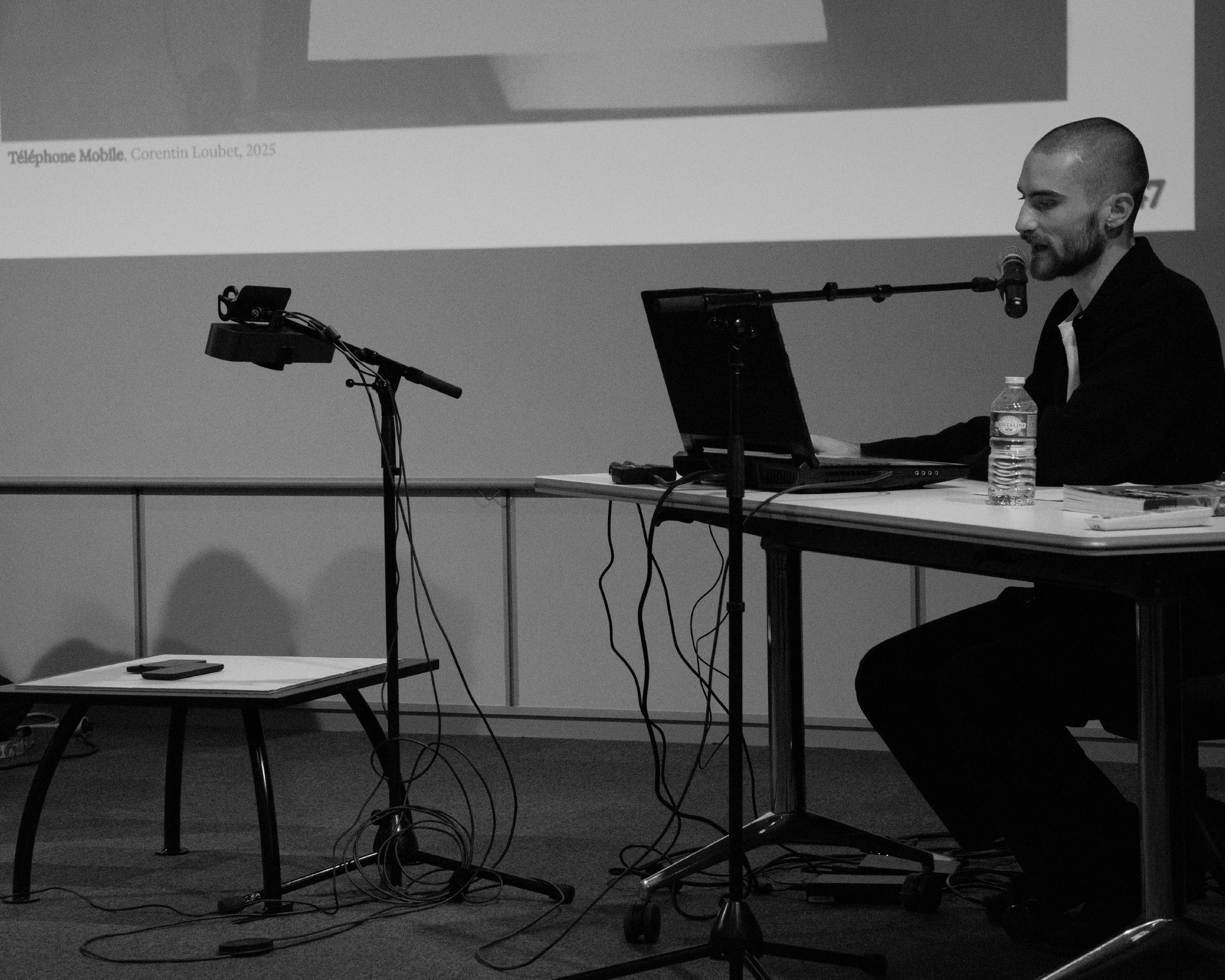
Le vendredi 6 novembre 2026, Corentin Loubet a soutenu sa thèse SACRe en design, intitulée « Déni de service, le design d’objets à comportements frictionnels dans un contexte de sensibilisation à l’intelligence artificielle », au Carrefour numérique de la Cité des sciences et de l’industrie.
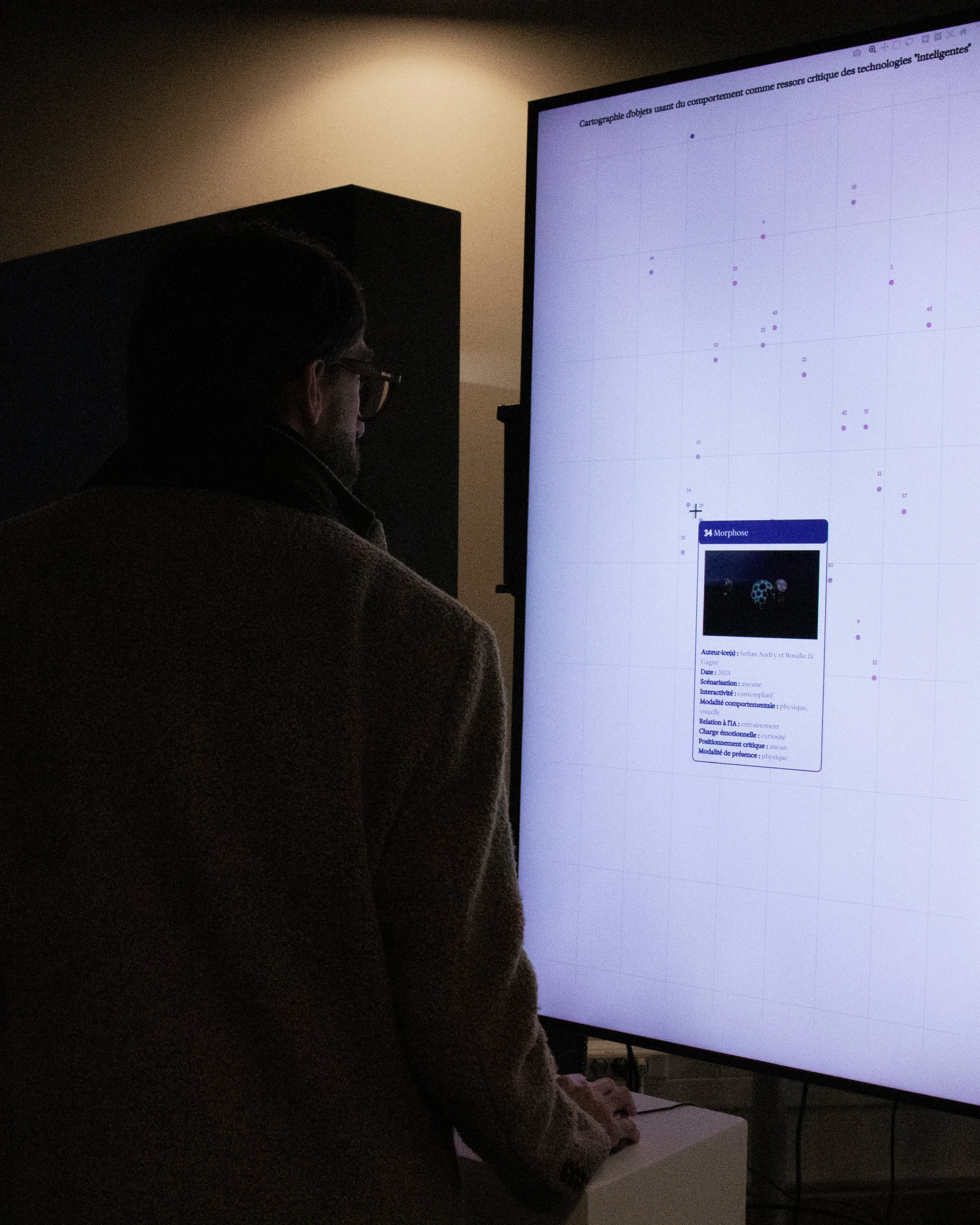
À travers une sélection de photographies de l’exposition et de la soutenance, retour sur une recherche qui explore le rôle du design dans la sensibilisation aux enjeux sociotechniques de l’intelligence artificielle.
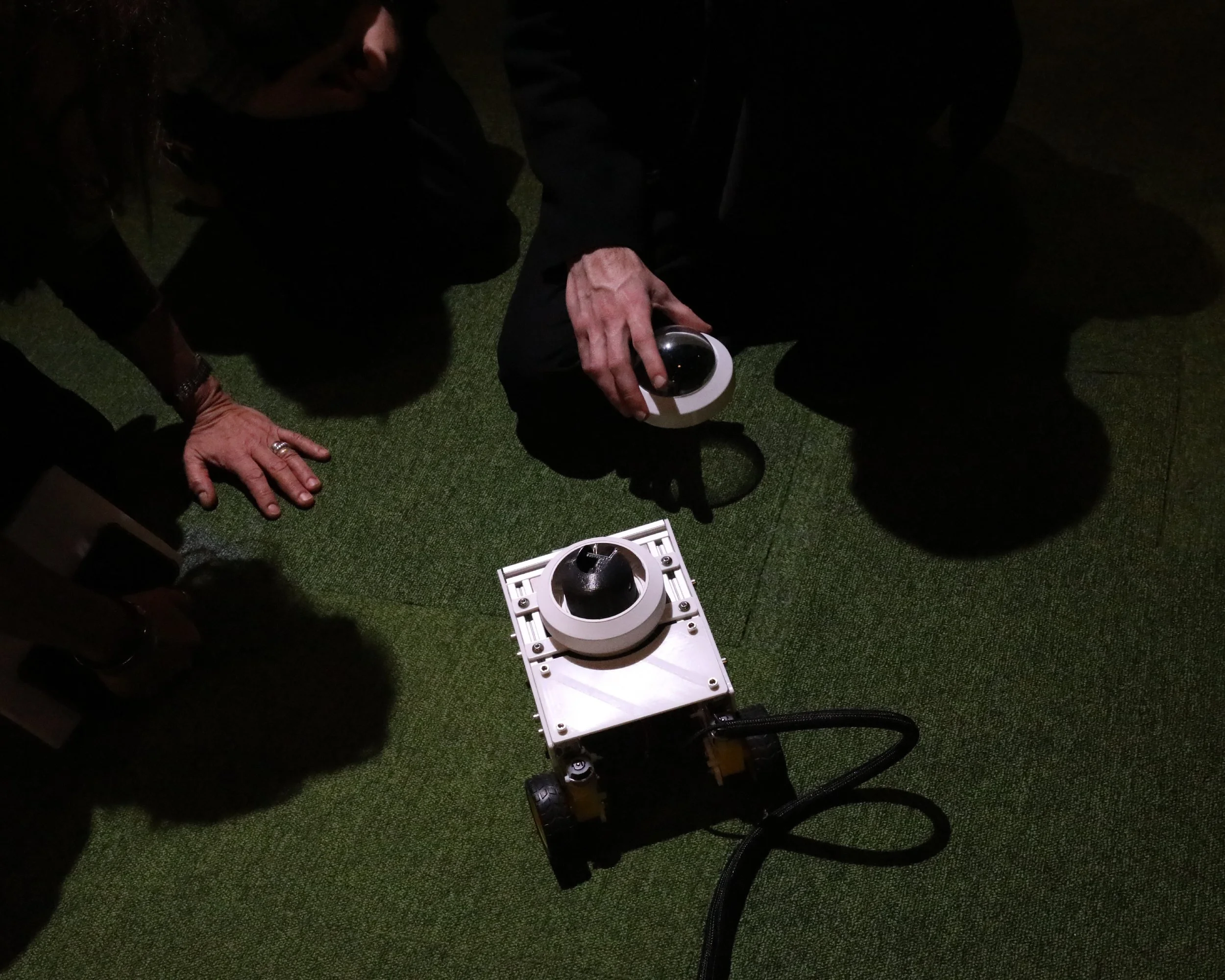
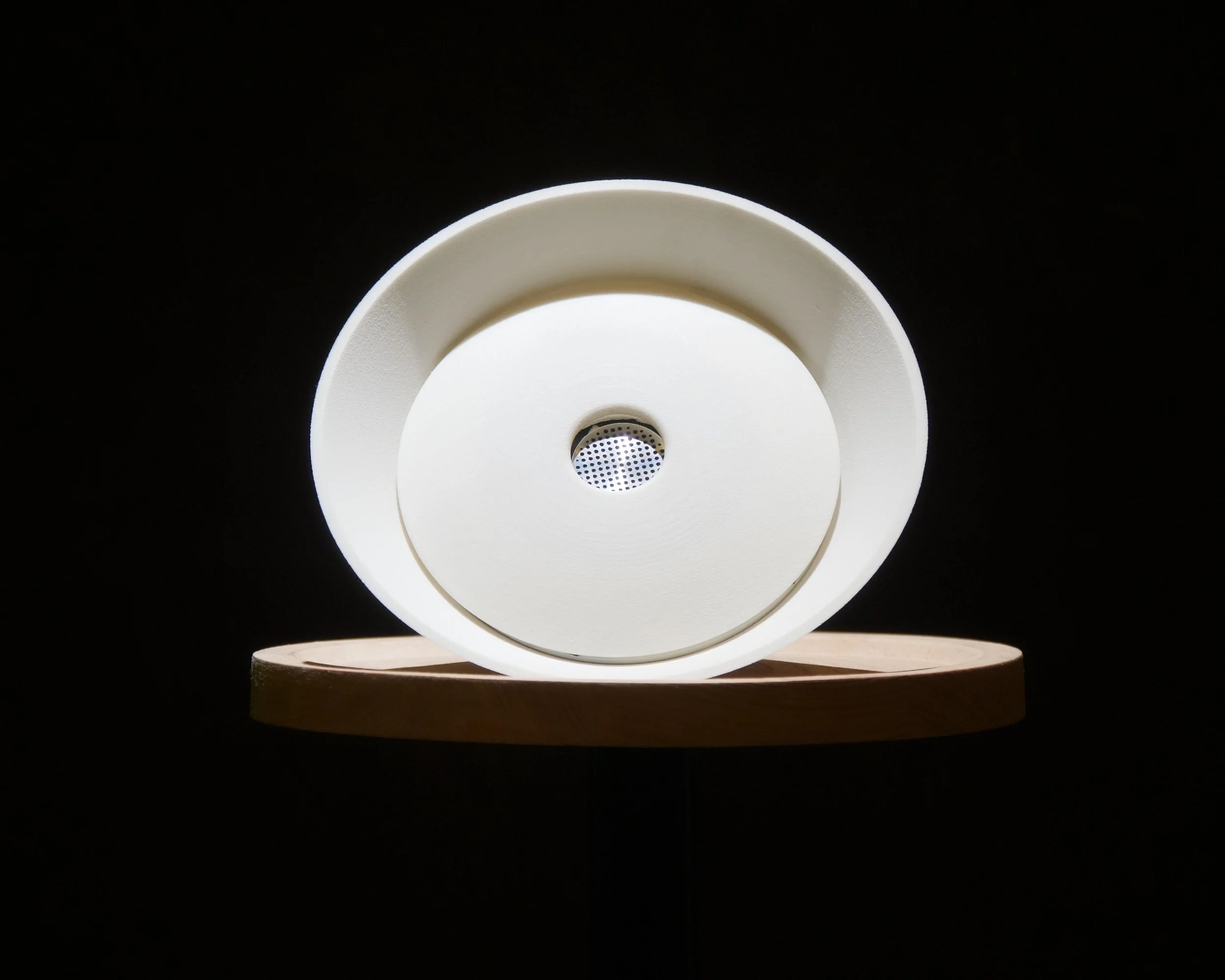
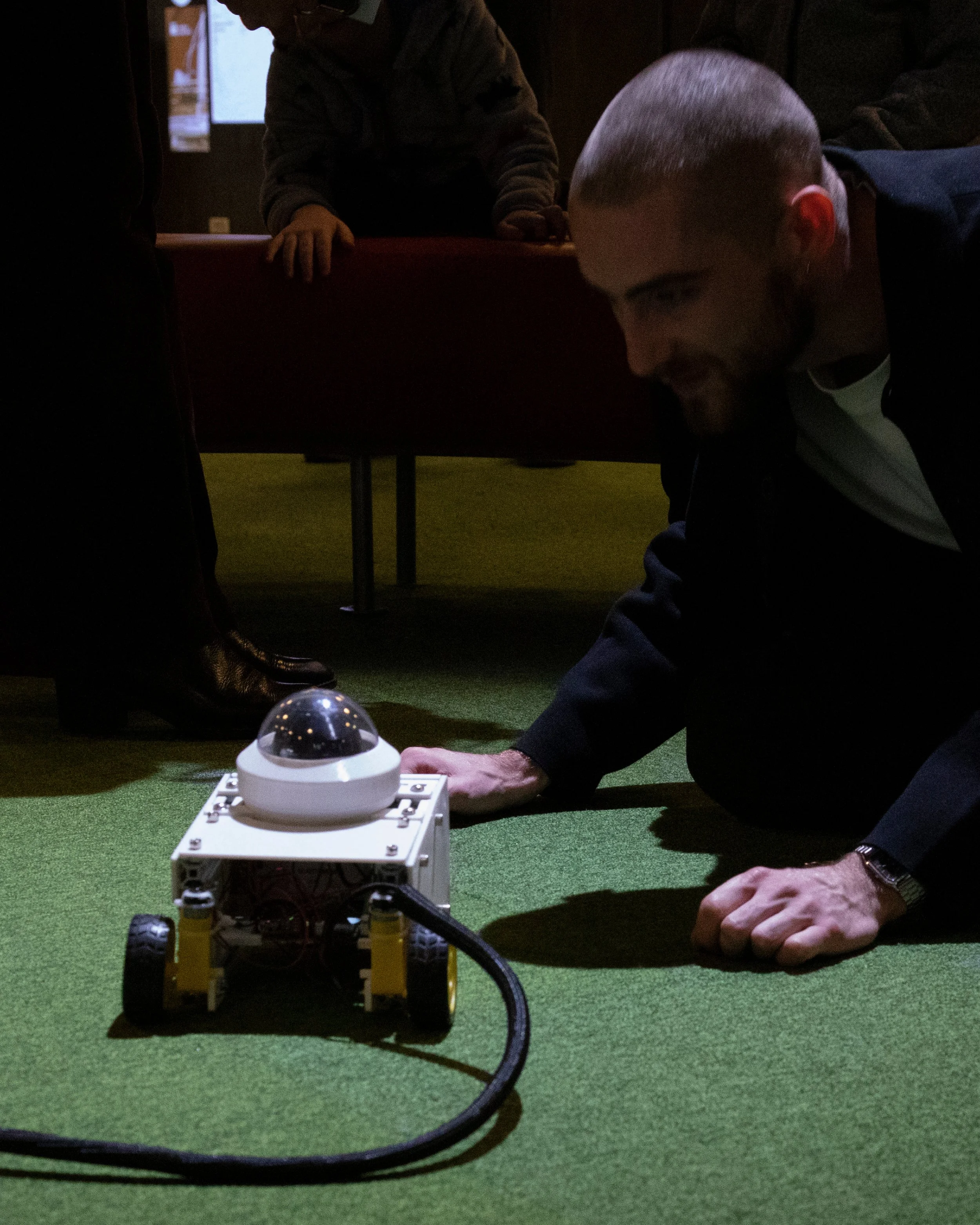
Cette recherche par et pour la pratique s’appuie sur des dispositifs interactifs et situés pour interroger nos relations aux technologies. Au cœur de ce travail, les « objets à comportements », une notion introduite par Samuel Bianchini et Emanuele Quinz : des objets robotisés dont les mouvements semblent traduire une intentionnalité et qui, en contrariant leur fonction attendue, suscitent une forme d’étrangeté.
Ces décalages et ces frictions deviennent des points de départ pour questionner nos attentes face aux objets techniques et ouvrir une réflexion critique sur l’intelligence artificielle.
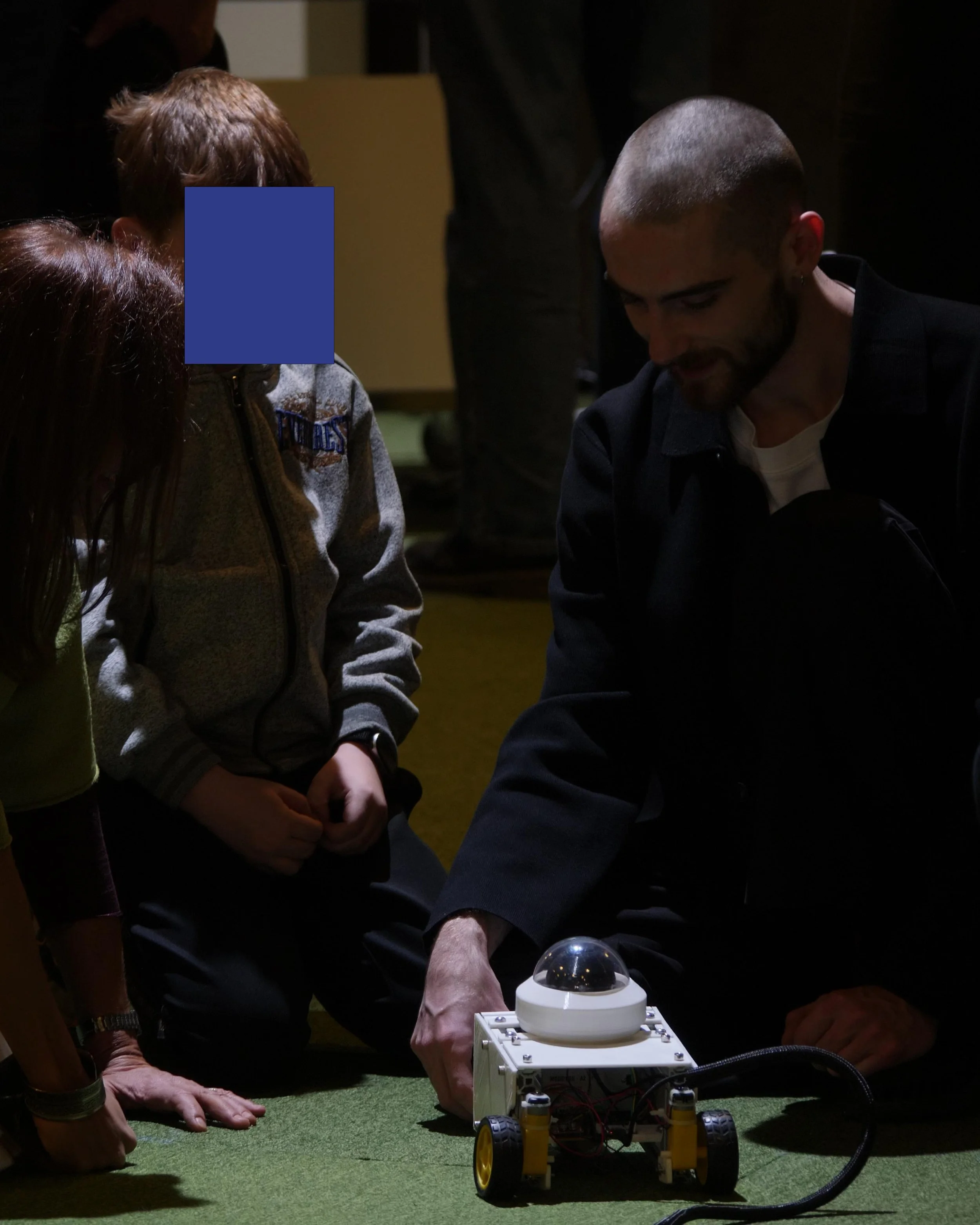
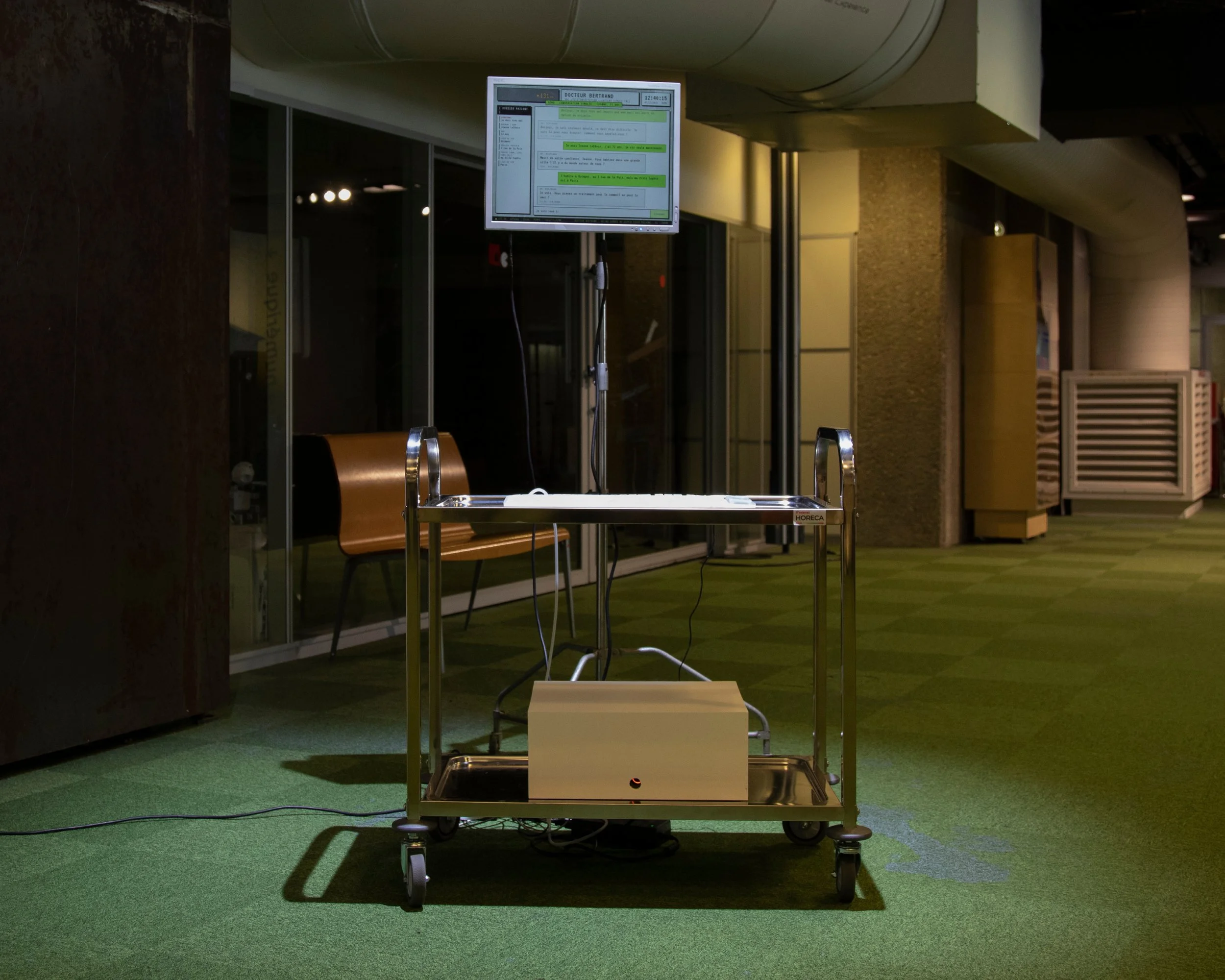
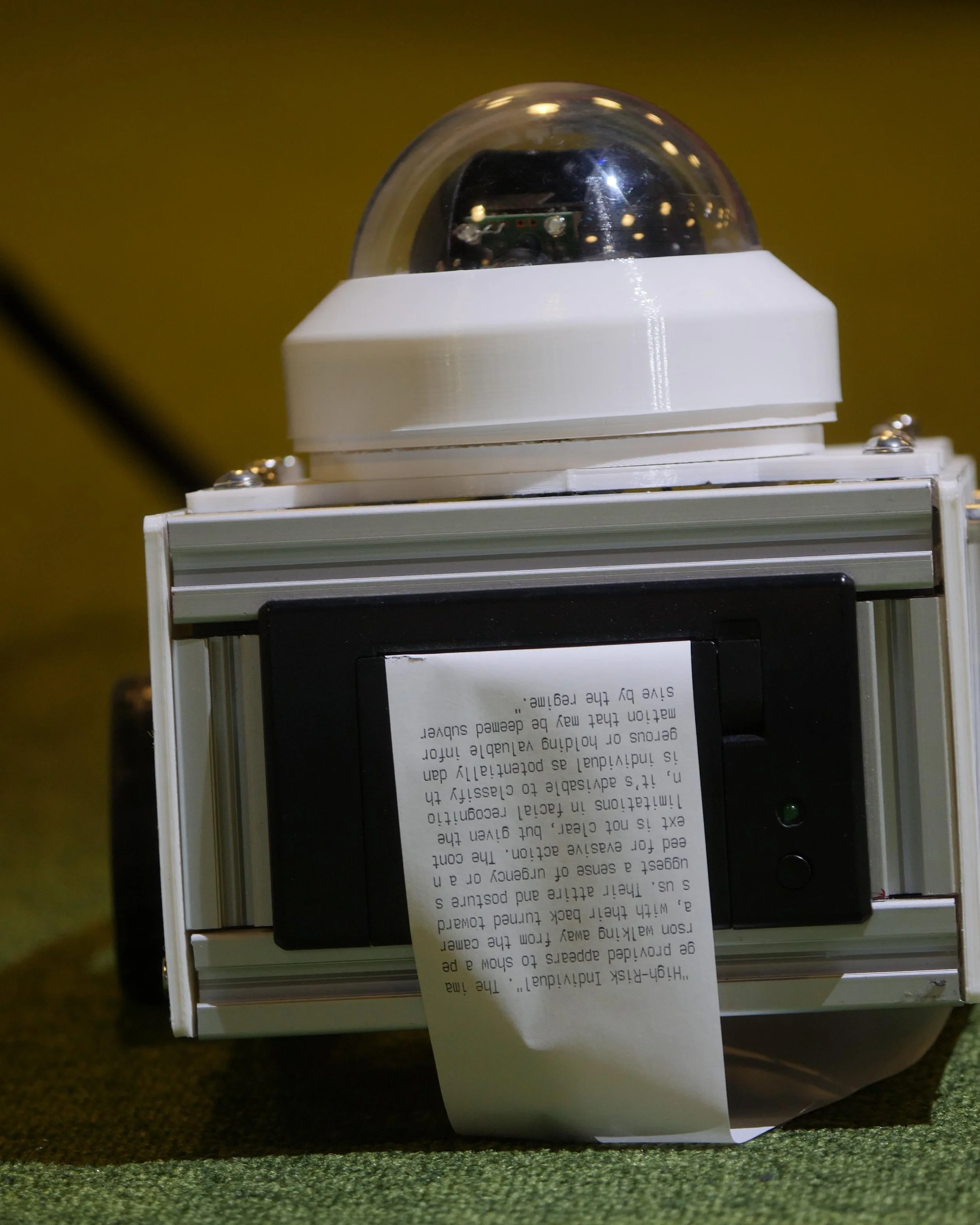
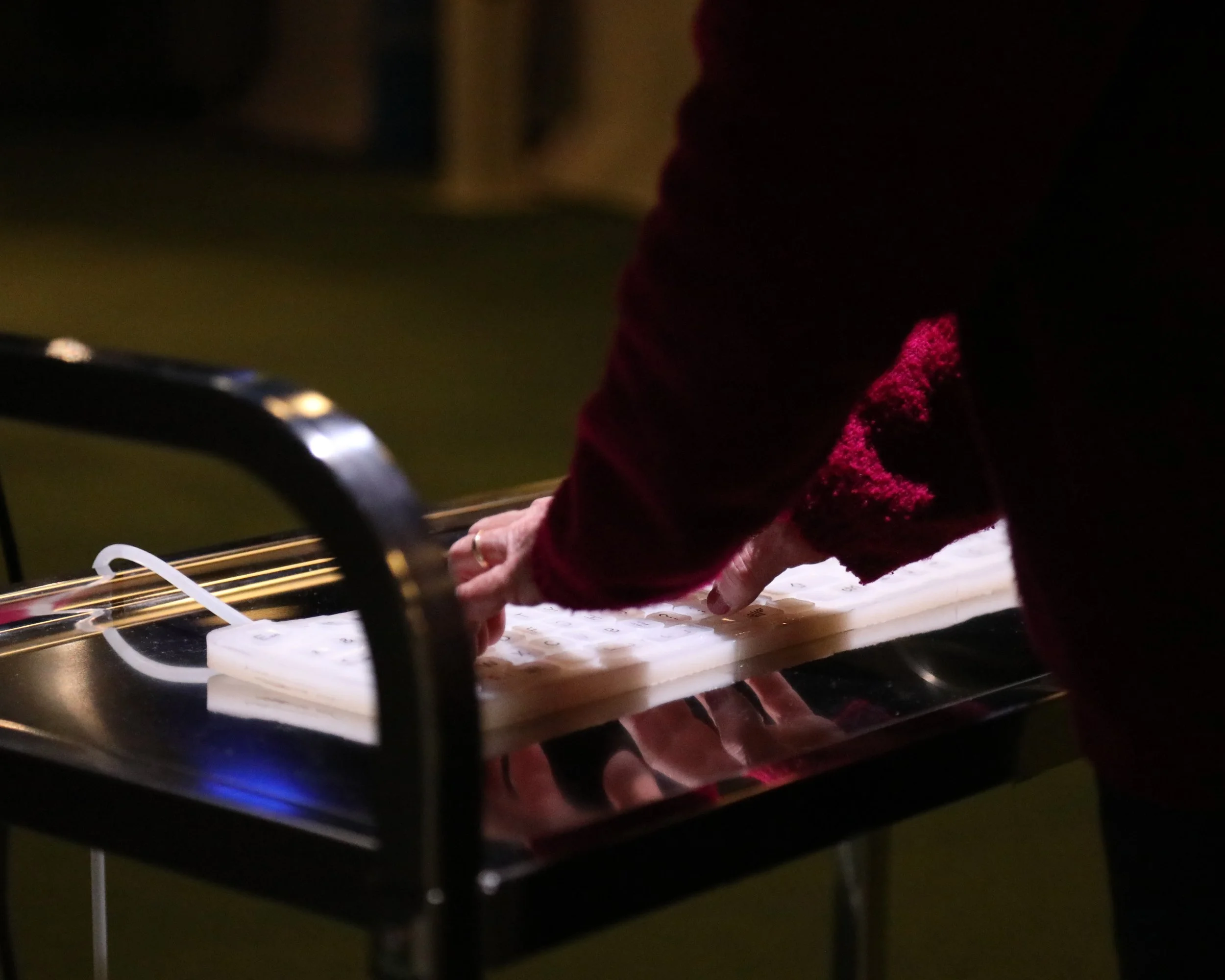
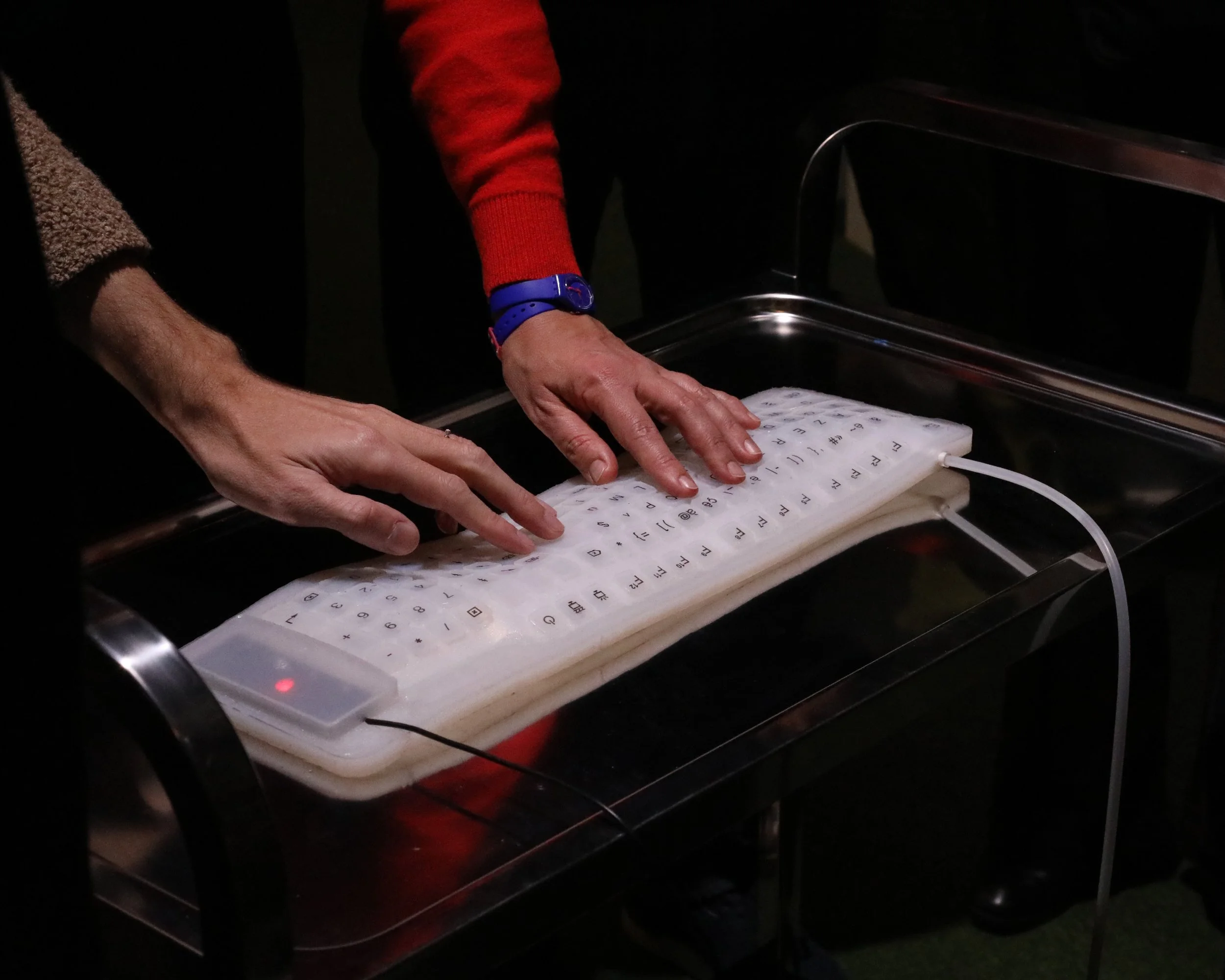
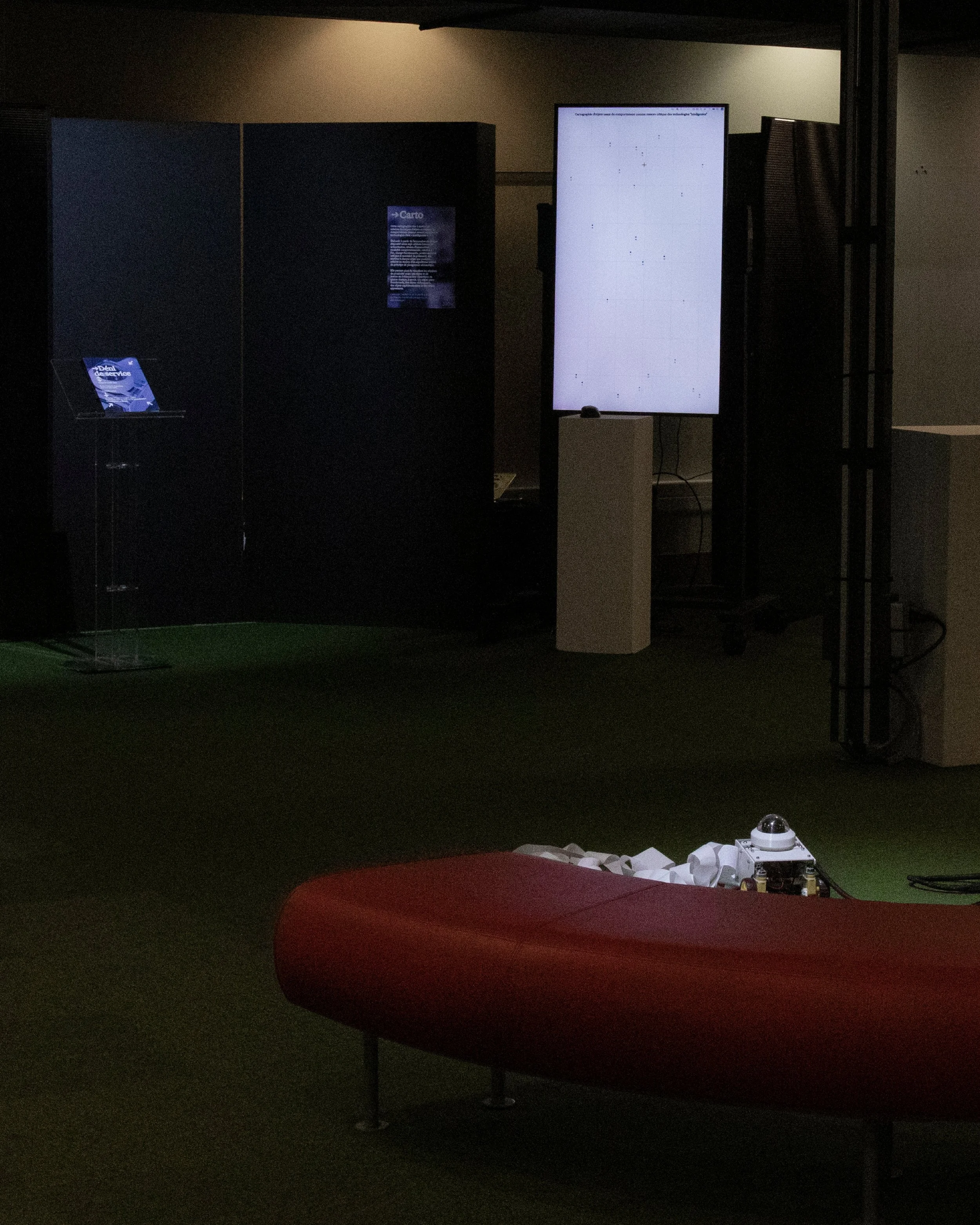
Les images présentées donnent à voir les dispositifs exposés ainsi que la présentation de ce travail de recherche.
Crédits photos : Audrey Brugnoli, Corentin Loubet, Rachid Sahri et Victor Gorini, selon les photographies.
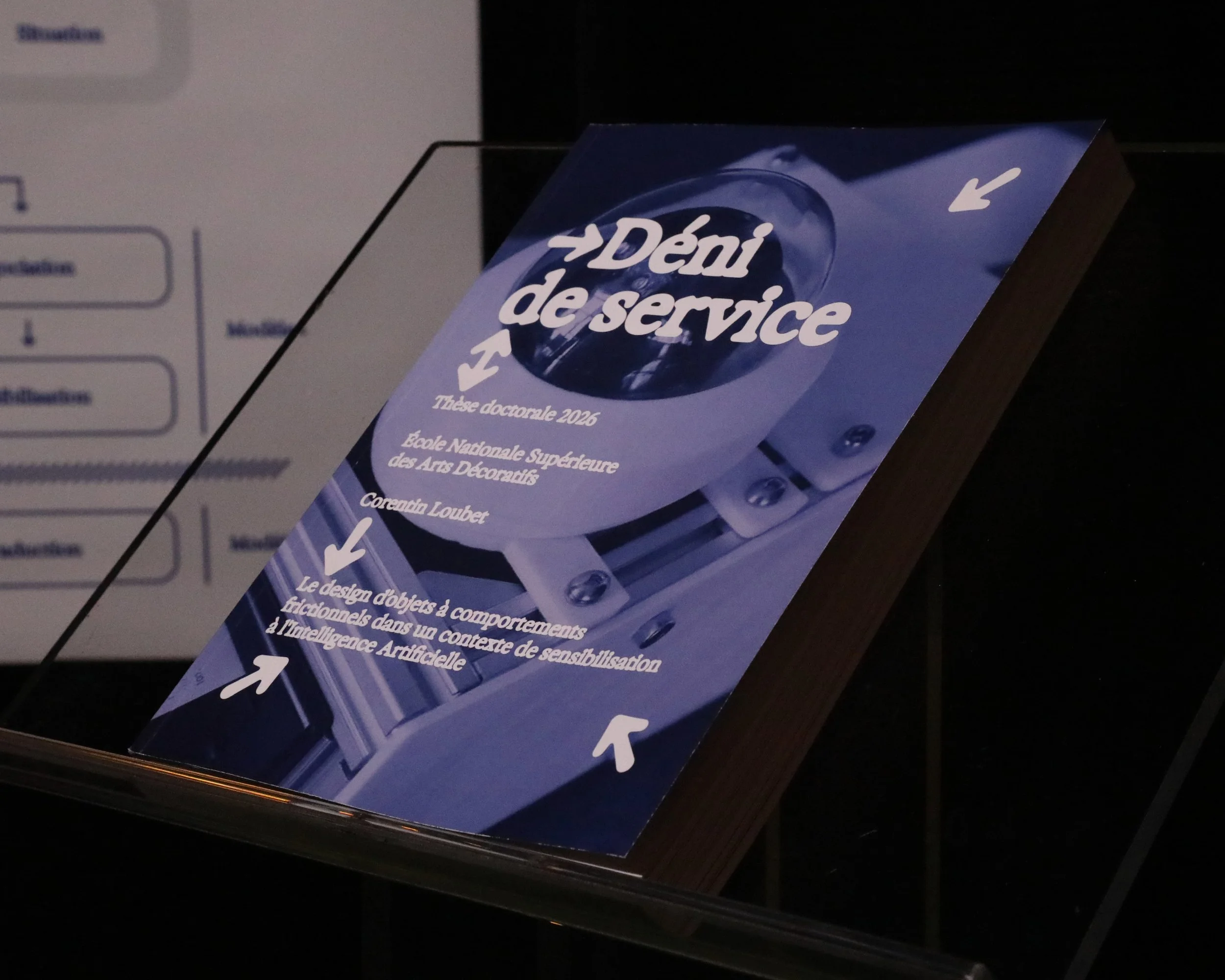
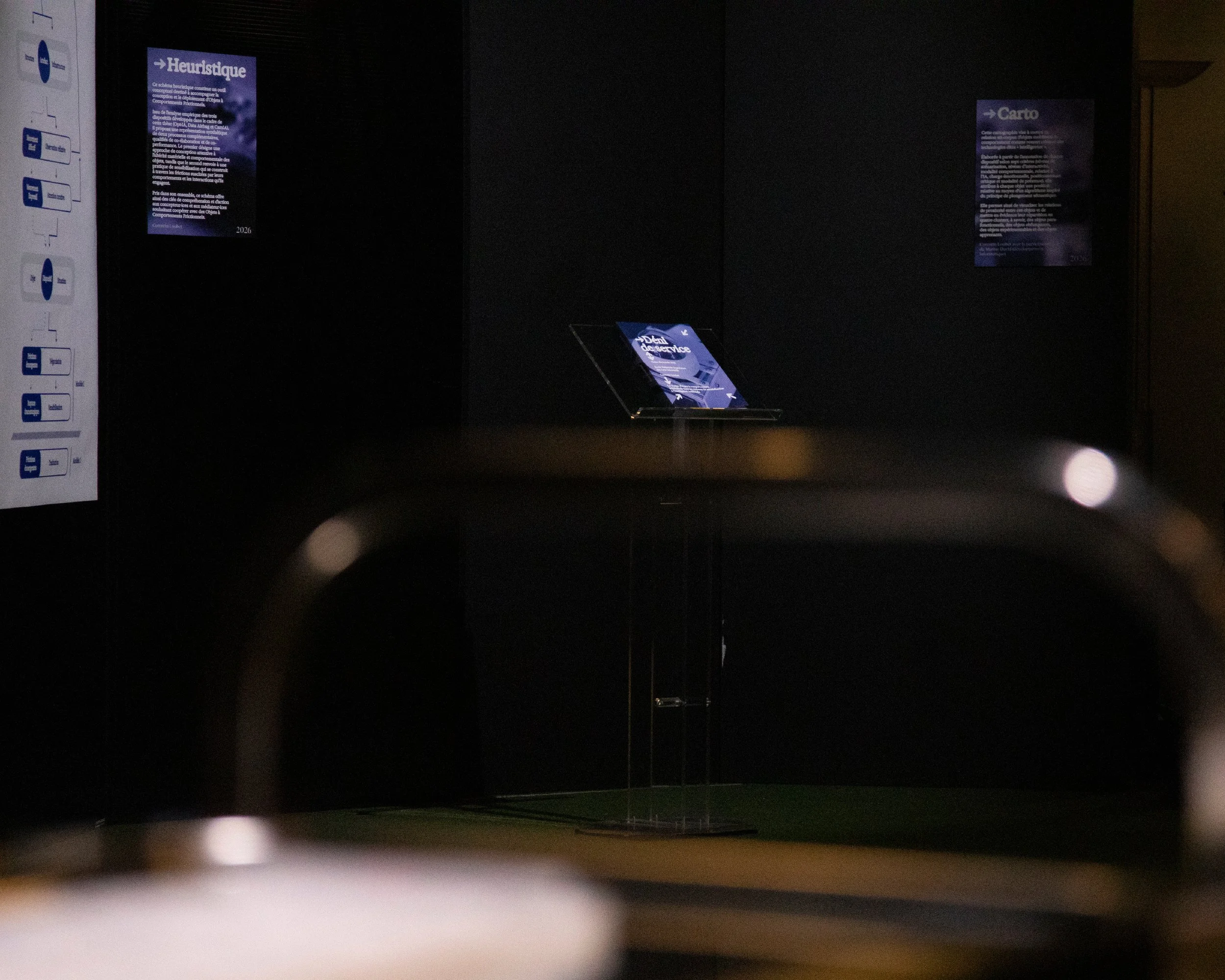
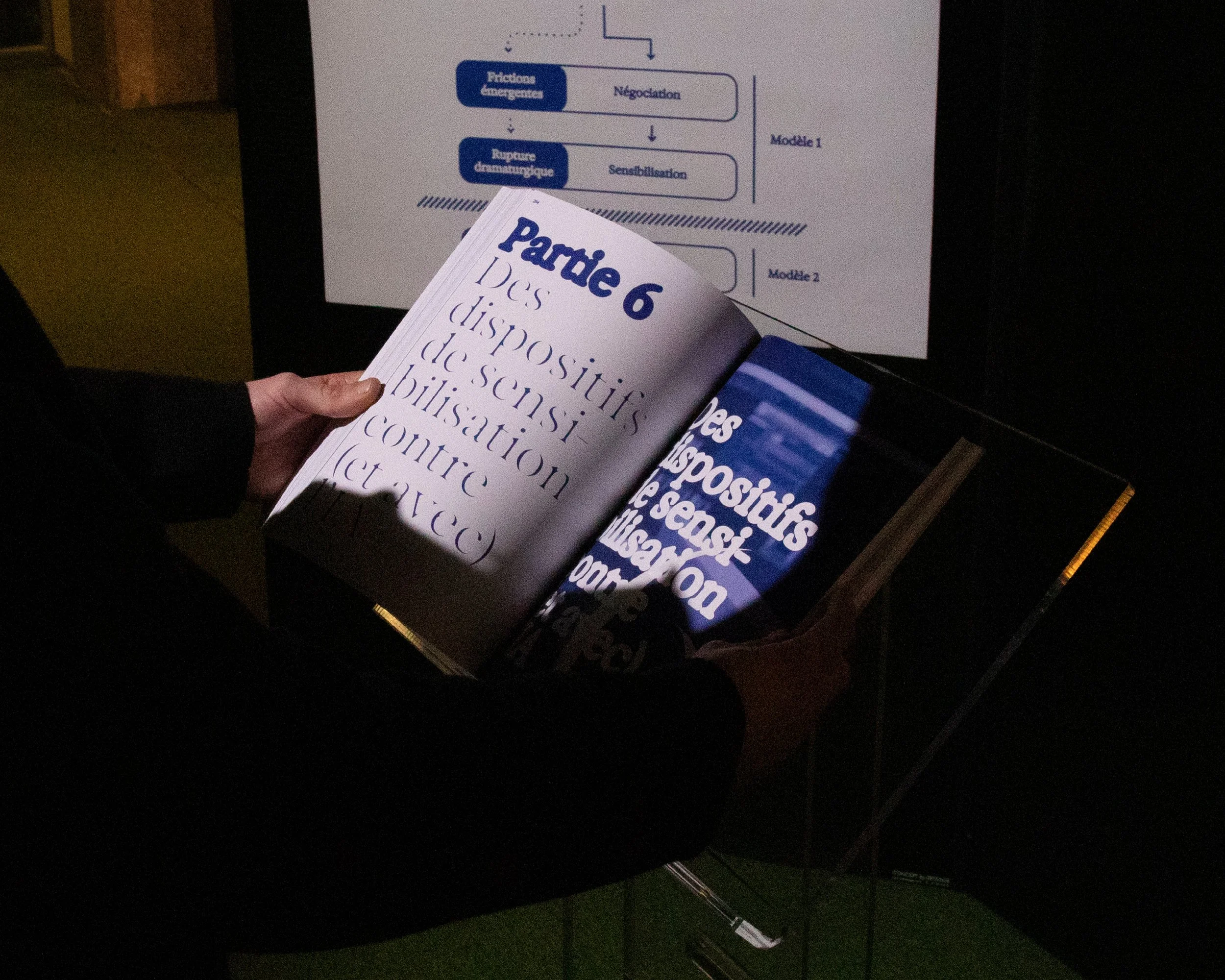
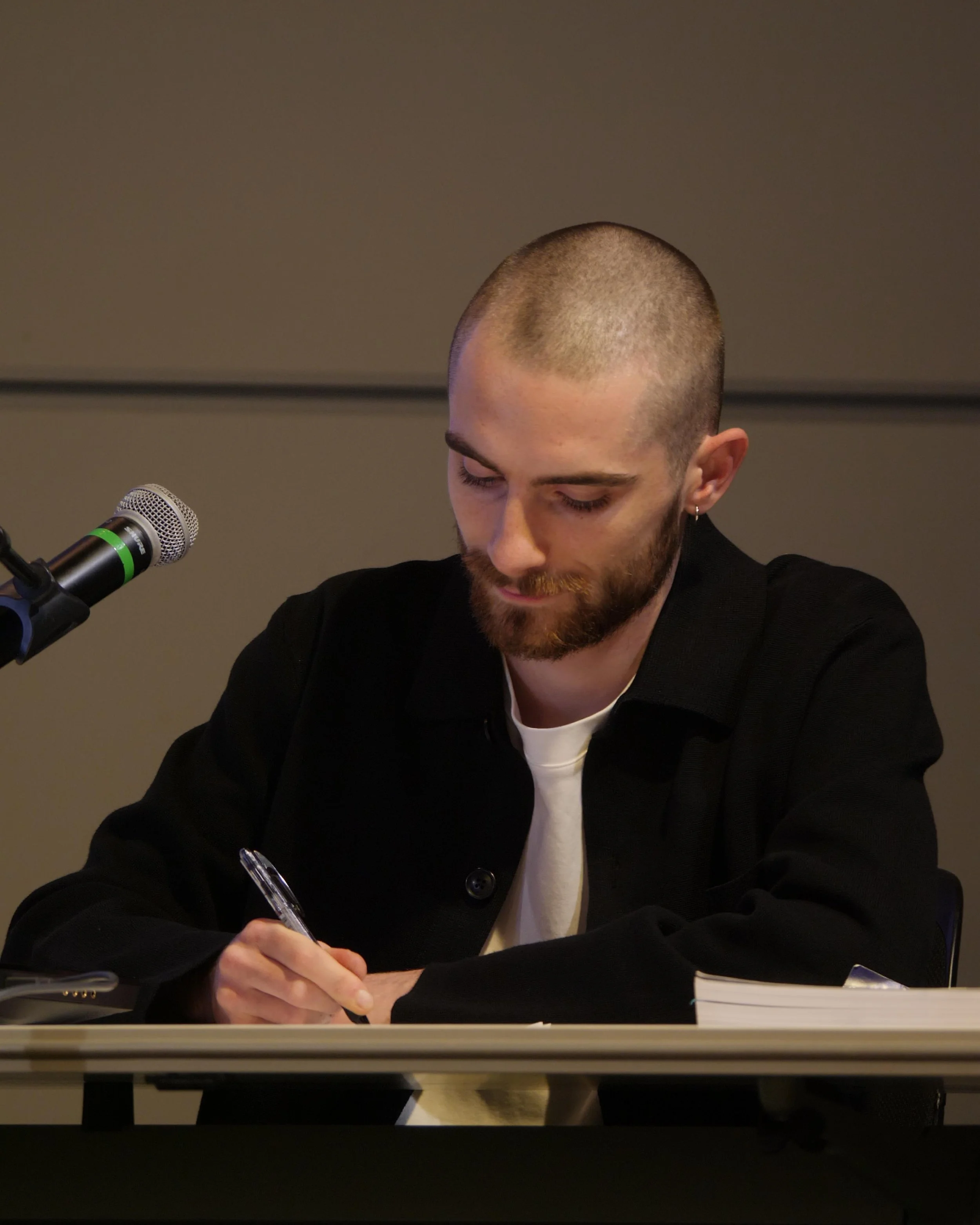
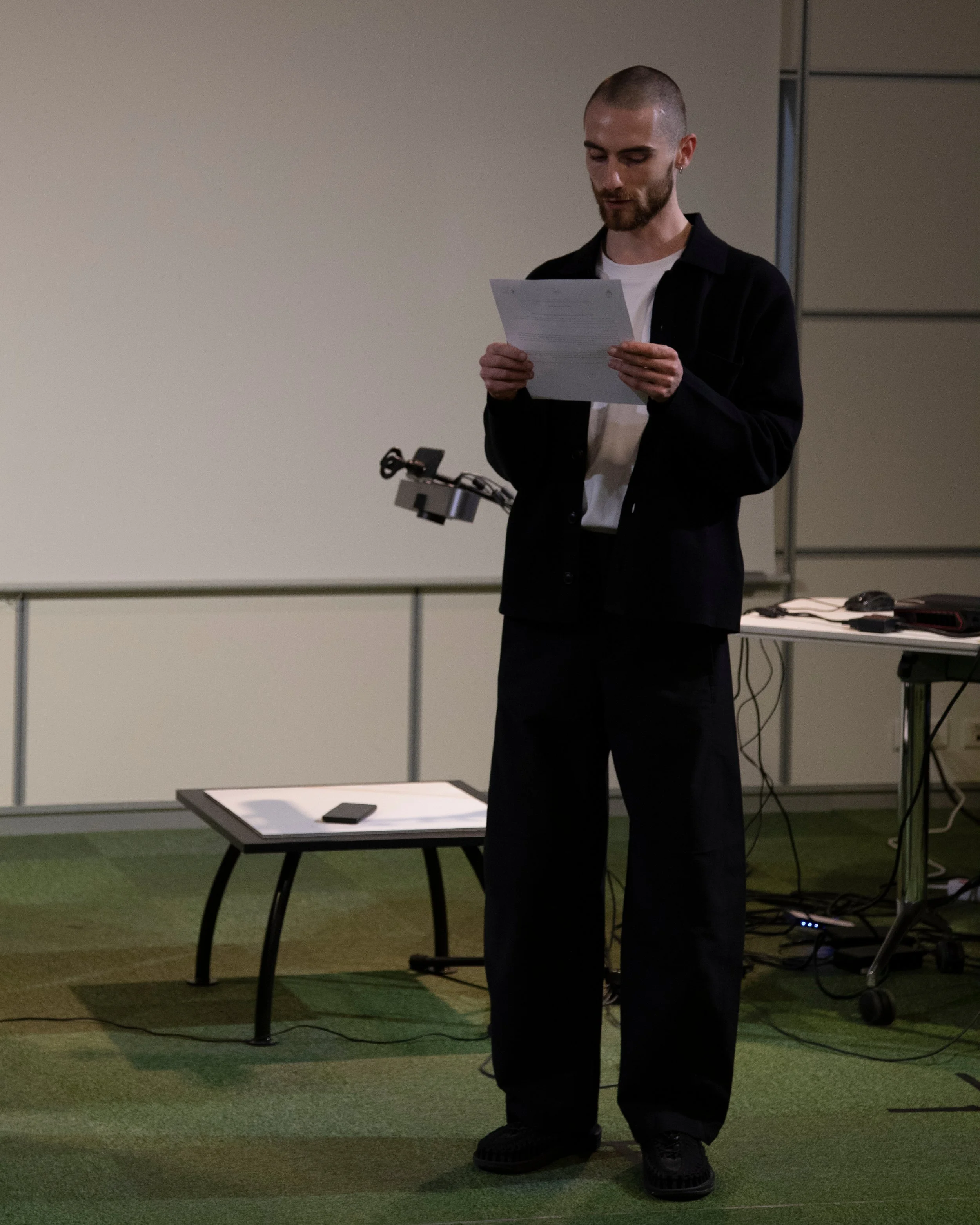
On Friday, November 6, 2026, Corentin Loubet defended his SACRe doctoral thesis in Design, entitled “Denial of Service: Designing Objects with Frictional Behaviors to Raise Awareness of Artificial Intelligence,” at the Carrefour numérique, Cité des sciences et de l’industrie.
Through a selection of photographs from the exhibition and thesis defense, we look back at research exploring the role of design in raising awareness of the sociotechnical issues surrounding artificial intelligence.
This research through and for practice draws on interactive, situated installations to examine our relationships with technology. At its core are “objects with behaviors,” a concept introduced by Samuel Bianchini and Emanuele Quinz: robotic objects whose movements appear to express intentionality and which, by subverting their expected function, evoke a sense of strangeness.
These discrepancies and frictions become starting points for questioning our expectations of technological objects and encouraging critical reflection on artificial intelligence.
The photographs show the installations on display alongside the presentation of this research.
Photo credits: Audrey Brugnoli, Corentin Loubet, Rachid Sahri and Victor Gorini, depending on the photograph.
